This guide outlines the key factors to consider when selecting garden fencing, including its purpose, material options, height regulations, durability, and budget. By carefully weighing these elements, you can ensure your new fencing not only meets practical requirements but also complements the overall aesthetic of your garden.
Purpose of Your Fencing
When choosing new garden fencing, it is important to first understand its purpose. Are you looking to increase privacy in your garden, mark property boundaries, or enhance security? Perhaps your priority is to keep pets safe within your space or to protect plants from wind and noise.
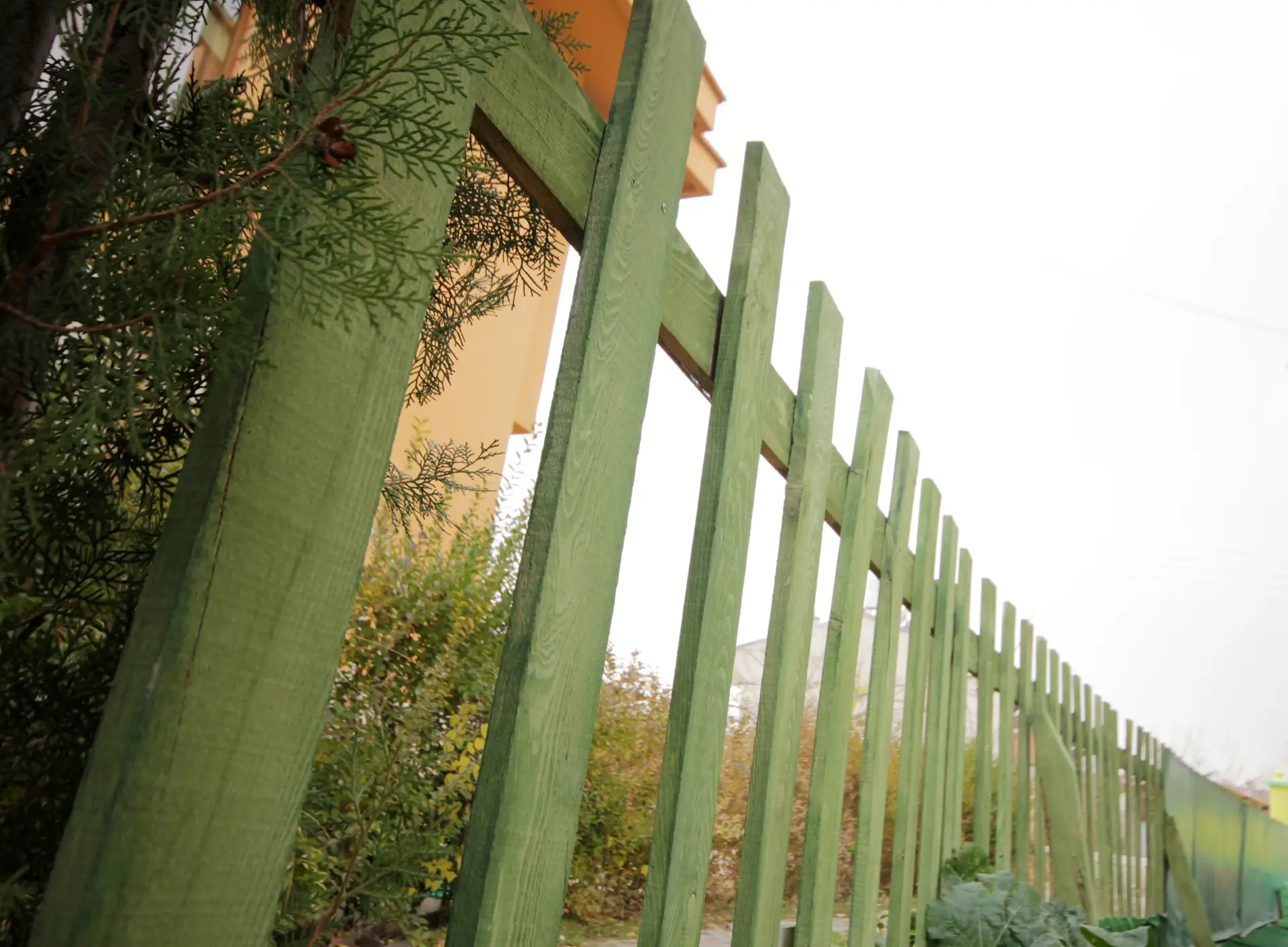
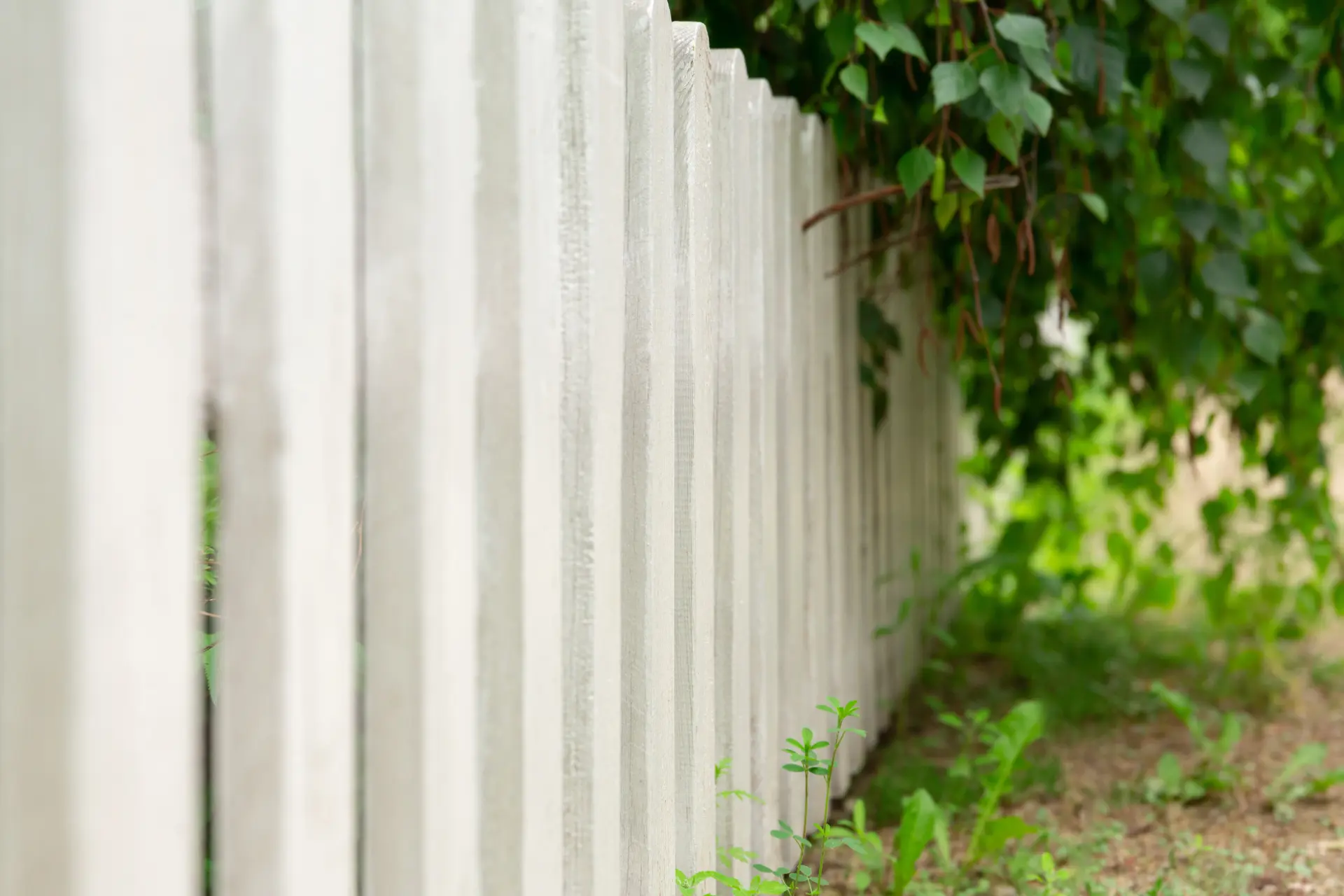
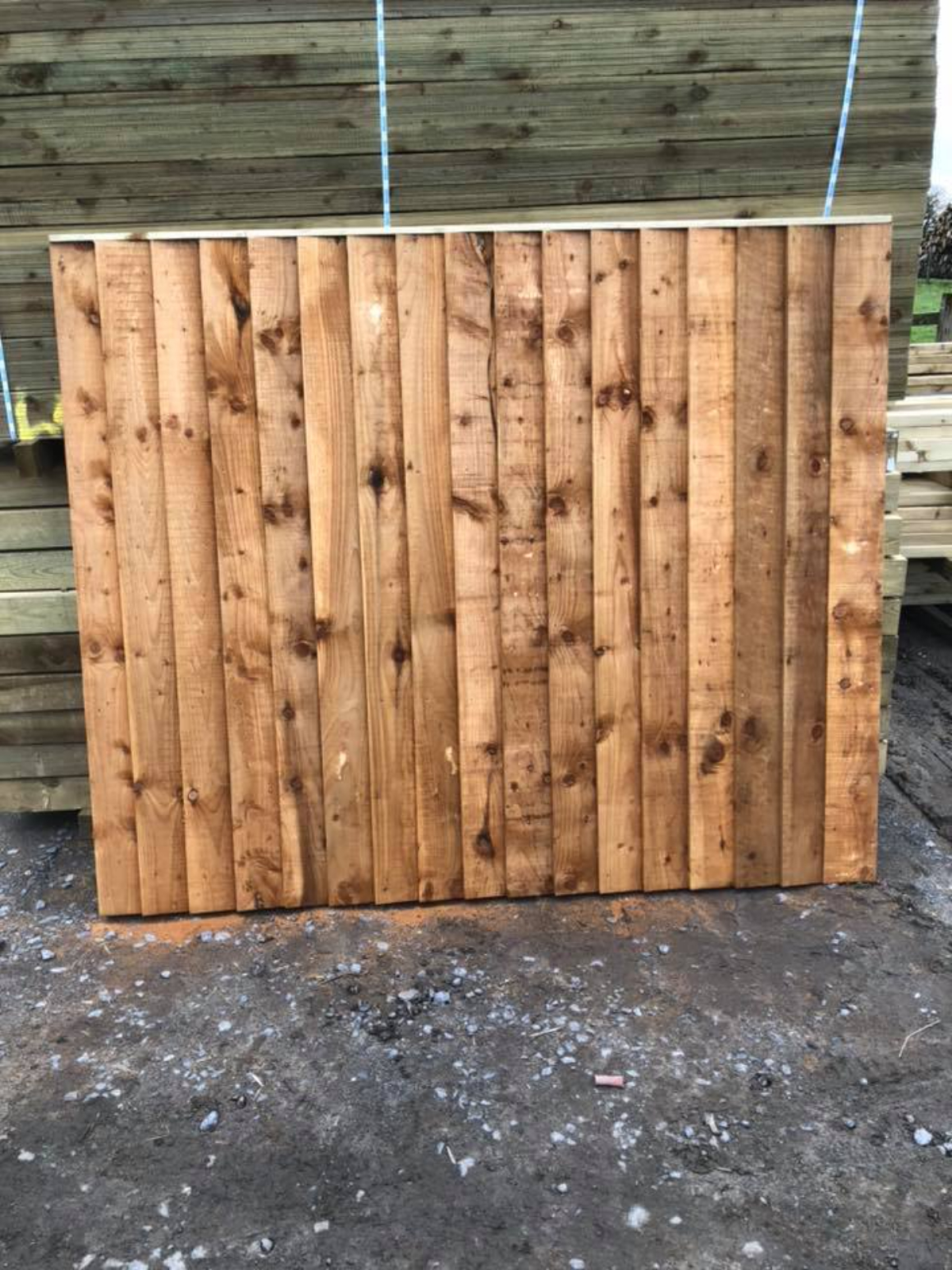
Each type of fence serves a different function, so take time to find the right solution for your property. Solid fence panels are a great way to improve privacy and create a secure environment, while more open styles can still define boundaries without blocking the view completely. It is also important to think about how your new fence will match your home and garden, helping to create a consistent and attractive look across the whole area
Garden Fencing Material Options
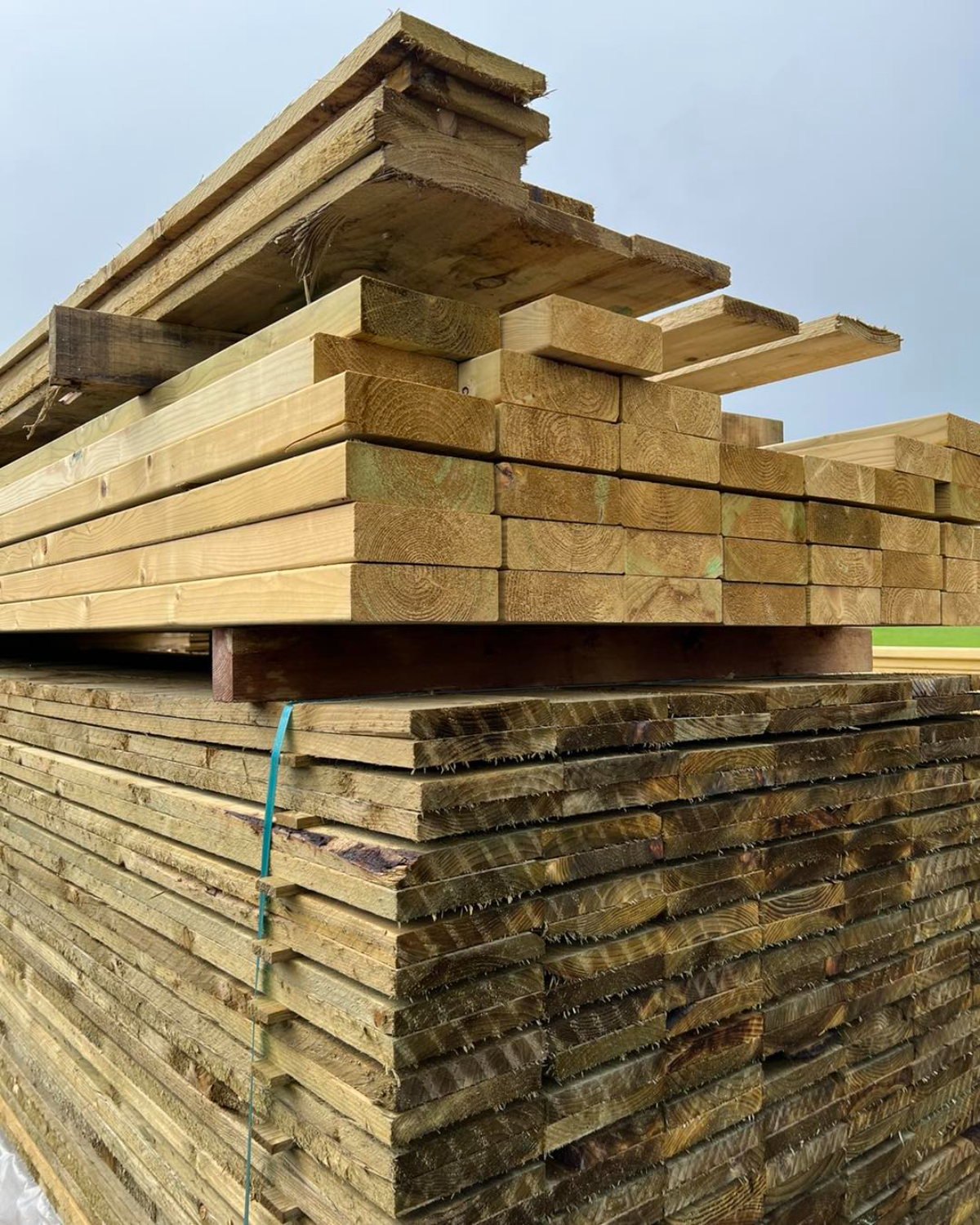
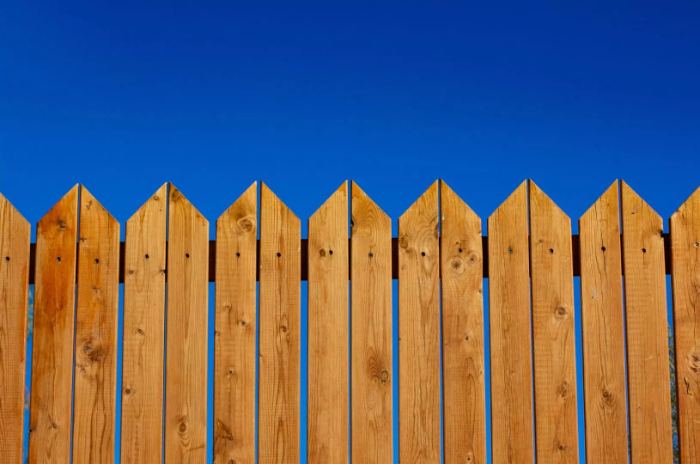
Exploring different materials is a key part of any fencing project. Timber remains one of the most popular choices in the UK due to its natural appearance and wide variety of styles. Wooden fence panels and fence posts can be adapted to suit both traditional and modern gardens, but they do require regular maintenance to protect against the elements.
If you are looking for a low maintenance option, composite fencing is becoming more common. It offers a durable and weather-resistant alternative that can last for many years with minimal upkeep. Metal and concrete products also provide strong and secure options, especially for those who want long-term durability.
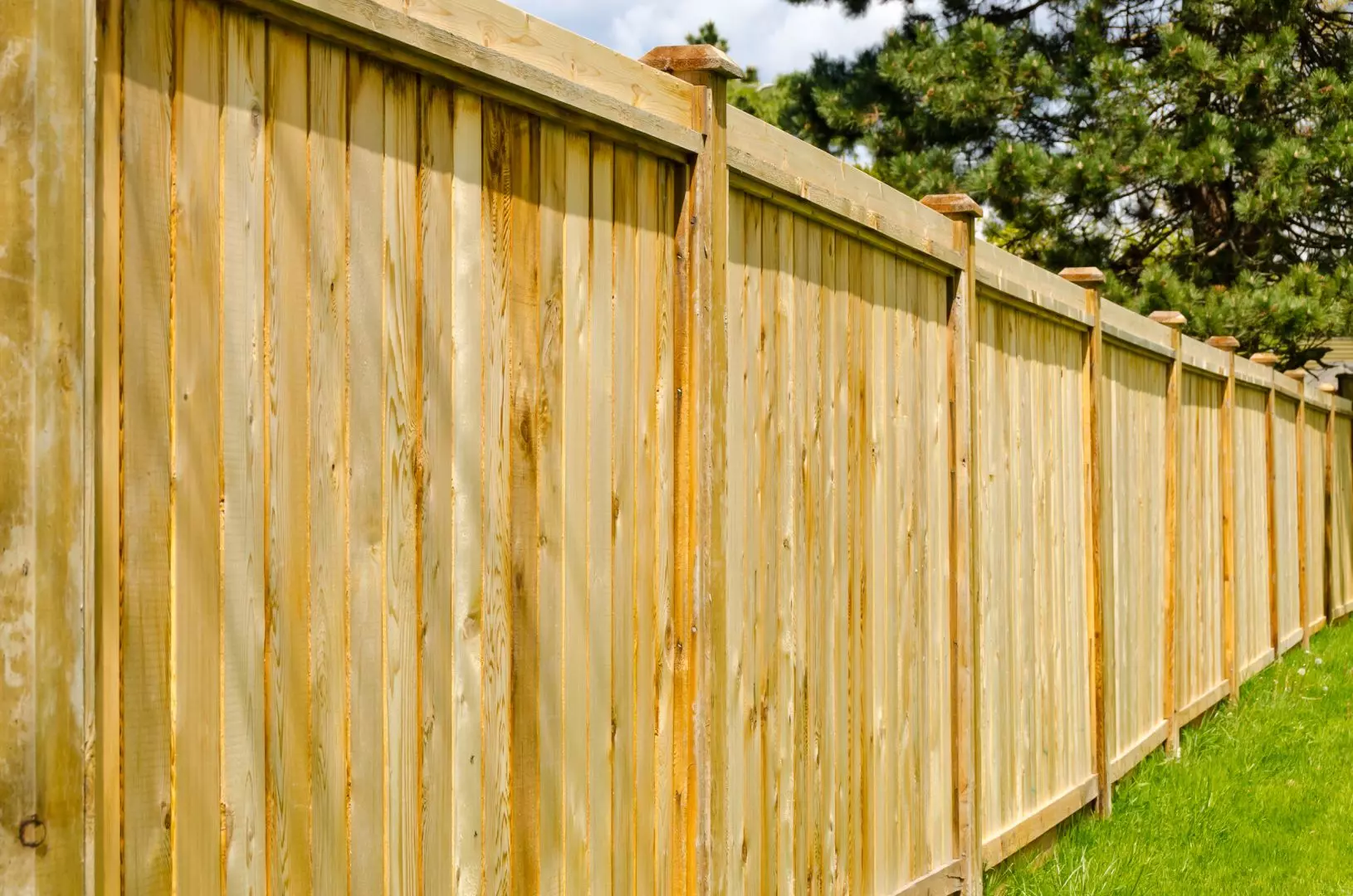
Closeboard fencing is another reliable choice, known for its strength and ability to withstand harsh weather. It is often used where extra security and durability are required. When choosing materials, make sure they are suitable for your site conditions, including the type of ground and exposure to wind or rain.
Fencing Height and Regulations
The height of your garden fence is an important factor, not just for appearance but also for legal reasons. In the UK, there are rules around how high fences can be, especially if they are near roads or public pathways. It is always best to check local guidance before installing your new fence to avoid any issues.
A taller fence can provide better privacy and security, while a lower fence may be enough for front gardens or decorative purposes. It is also wise to consider your neighbours and ensure your plans do not affect their property or access to light.
Durability and Maintenance
Durability is one of the most important things to consider when choosing garden fencing. A strong and well-installed fence can protect your garden for years, even in challenging weather conditions. Timber fencing can last a long time if it is treated and maintained properly, but it does require regular care.
Low maintenance options such as composite or metal fencing can save time and effort over the years. These types are designed to resist rot, rust, and general wear. Adding gravel boards at the base of your fence panels can also help protect them from moisture and extend their lifespan.
Make sure to check your fence regularly for any damage, gaps, or loose posts. Keeping your fencing in good condition will help maintain both security and appearance.

Budget Considerations
Budget is a key part of any fencing project. The cost can vary depending on the type of materials, the size of the area, and the complexity of the installation. Timber fencing is often seen as a cost effective option at first, but ongoing maintenance can add to the overall expense over time.
More durable options such as composite fencing or concrete posts may require a higher initial investment, but they can provide better value in the long run. When planning your budget, include the cost of fence panels, fence posts, installation, and any additional features.
Getting detailed information and quotes from suppliers can help you make an informed choice. This will ensure you select the best fencing solution for your needs without unexpected costs later.
Installation and Ground Preparation
Proper installation plays a major role in how well your new fence performs. Even the best materials will not last if they are not installed correctly. Preparing the ground is an important step, as uneven or soft ground can affect the stability of fence posts.
When installing garden fencing, make sure the posts are set securely and spaced correctly to support the fence panels. In some cases, professional installation may be the best option to ensure everything is fitted safely and securely.
If you are replacing an existing fence, check the condition of the current posts and foundations. Reusing strong elements can sometimes reduce costs, but only if they are still in good condition.
Style and Aesthetics
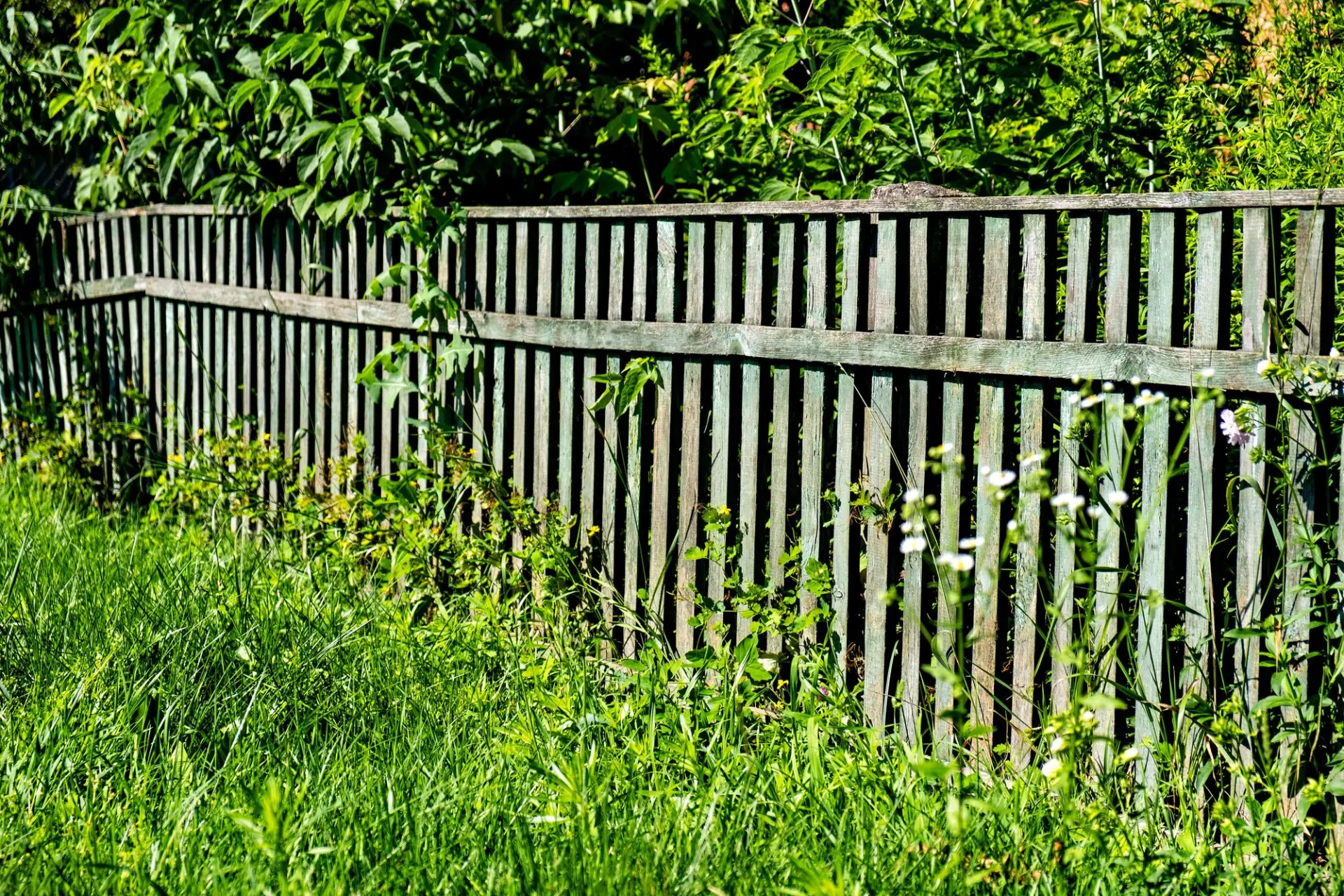
The style of your garden fence can have a big impact on the overall look of your outdoor space. With so many types and styles available, it is easier than ever to find a design that matches your home and garden.
From traditional wooden panels to modern composite fencing, the right choice can enhance your property and create a more enjoyable space. Think about colour, texture, and how the fence will look throughout the year.
A well-chosen fence can also frame your garden, highlight key features, and provide a neat and finished appearance.
Security and Privacy Features
For many homeowners, security and privacy are top priorities. A strong fence with minimal gaps can help protect your property and provide peace of mind. Taller fences and solid panels are often the best option for creating a private and secure environment.
If you have pets or children, it is important to choose fencing that prevents them from escaping while keeping unwanted visitors out. Make sure there are no gaps or weak points that could reduce the effectiveness of your fence.
Adding features such as lockable gates can further improve security and make your garden fencing even more practical.
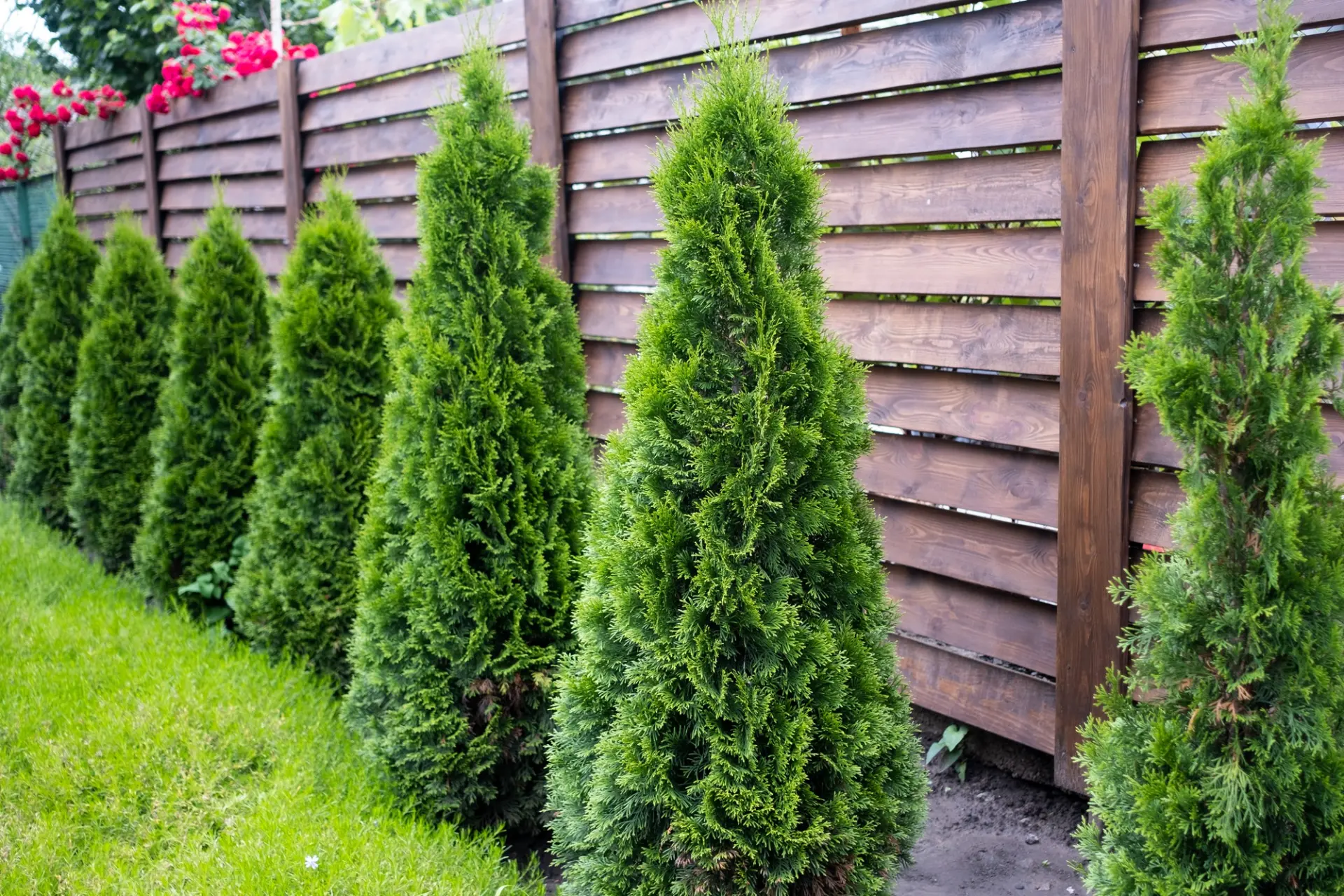
Choosing New Garden Fencing: Things To Consider
Choosing the right garden fencing involves balancing several important factors, including materials, height, durability, cost, and style. By taking the time to explore your options and understand your requirements, you can find the perfect fence for your home.
A well-planned fencing project will not only improve the look of your garden but also provide security, privacy, and long-lasting value for years to come.
If you're ready to start your fencing project or need more advice on choosing the right wood for your garden fence, feel free to get in touch with our team.
We're here to help you make the best decision for your outdoor space.
Follow the link below for fencing suppliers near Darwen, Blackburn, Bolton, Preston and Lancashire.